

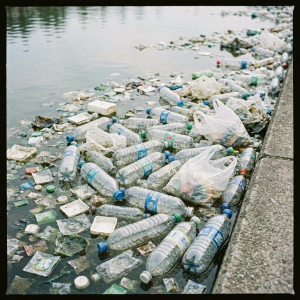
 Global Plastic Production Surges; Microplastics Now Found in Human Brain Tissue
Global plastic production has reached an estimated 460 million tonnes per year, a staggering rise from just 2 million tonnes in 1950, according to data cited in a June 2026 Space Daily report. Despite decades of public messaging around recycling, only about 9% of all plastic ever produced has been recycled, with the rest burned, landfilled, or leaking into the environment.
Researchers warn that mismanaged plastic waste — roughly 78 million tonnes annually — is now fragmenting into microplastics and nanoplastics that have infiltrated soil, water, air, and food systems. Recent studies have detected plastic particles in human blood, lungs, liver, kidneys, breast milk, semen, and even placental tissue.


A landmark 2025 study published in Nature Medicine reported the first confirmed presence of microplastics in human brain tissue, with samples from 2024 showing 50% higher concentrations than those collected eight years earlier. The particles — primarily nanoscale polyethylene — were found concentrated in the frontal cortex.
Health implications remain under investigation, but early evidence is concerning. A 2024 New England Journal of Medicine study found that patients with microplastics in arterial plaque faced a significantly higher risk of heart attack, stroke, and death over a 34‑month period.
Experts say the world is now in an “unintentional, uncontrolled experiment” as plastic production continues to rise and the materials persist for centuries. With recycling rates stagnant and global output projected to exceed 1.2 billion tonnes by 2060, scientists warn that human exposure will only increase.
📰 മലയാളം
പ്ലാസ്റ്റിക് ഉത്പാദനം കുതിച്ചുയരുന്നു; മനുഷ്യന്റെ മസ്തിഷ്കത്തിലും മൈക്രോപ്ലാസ്റ്റിക് കണ്ടെത്തി
ലോകത്ത് ഓരോ വർഷവും 460 മില്യൺ ടൺ പ്ലാസ്റ്റിക് ഉത്പാദിപ്പിക്കപ്പെടുന്നു — 1950‑ലെ 2 മില്യൺ ടൺ ഉത്പാദനത്തേക്കാൾ 230 മടങ്ങ് കൂടുതലാണിത്. എന്നാൽ ഇതുവരെ നിർമ്മിച്ച പ്ലാസ്റ്റിക്കിന്റെ മാത്രം 9 ശതമാനം മാത്രമാണ് റീസൈക്കിൾ ചെയ്യപ്പെട്ടത്. ബാക്കി എല്ലാം കത്തിക്കുകയോ മാലിന്യകൂമ്പാരങ്ങളിലേക്കോ പരിസ്ഥിതിയിലേക്കോ ഒഴുകുകയാണ്.
പ്രതിവർഷം ഏകദേശം 78 മില്യൺ ടൺ പ്ലാസ്റ്റിക് തെറ്റായ രീതിയിൽ നിക്ഷേപിക്കപ്പെടുന്നു. ഇത് സൂര്യപ്രകാശം, ചലനം, കാലാവസ്ഥ എന്നിവയുടെ സ്വാധീനത്തിൽ മൈക്രോപ്ലാസ്റ്റിക്, നാനോപ്ലാസ്റ്റിക് കണങ്ങളായി തകരുന്നു. ഈ കണങ്ങൾ ഇപ്പോൾ മണ്ണിലും, ജലത്തിലും, വായുവിലും, ഭക്ഷണത്തിലും വ്യാപകമായി കണ്ടെത്തപ്പെടുന്നു. മനുഷ്യരുടെ രക്തം, ശ്വാസകോശം, കരൾ, വൃക്ക, മുലപ്പാൽ, ശുക്ലം, പ്ലാസെന്റ എന്നിവയിലും ഇവ കണ്ടെത്തിയിട്ടുണ്ട്.
2025‑ൽ Nature Medicine പ്രസിദ്ധീകരിച്ച പഠനത്തിൽ ആദ്യമായി മനുഷ്യന്റെ മസ്തിഷ്കത്തിൽ മൈക്രോപ്ലാസ്റ്റിക് കണ്ടെത്തി. 2024‑ൽ ശേഖരിച്ച സാമ്പിളുകളിൽ എട്ട് വർഷം മുമ്പുള്ളതിനെക്കാൾ 50 ശതമാനം കൂടുതൽ പ്ലാസ്റ്റിക് കണങ്ങൾ കണ്ടെത്തി. ഇവയിൽ ഭൂരിഭാഗവും നാനോ‑തലത്തിലുള്ള പോളിഥിലീൻ കണങ്ങളായിരുന്നു.
Health problems പഠനത്തിലാണെങ്കിലും പ്രാഥമിക കണ്ടെത്തലുകൾ ആശങ്കാജനകമാണ്. 2024‑ലെ New England Journal of Medicine പഠനത്തിൽ, ധമനികളിലെ പ്ലാക്കിൽ മൈക്രോപ്ലാസ്റ്റിക് ഉള്ള രോഗികൾക്ക് ഹൃദയാഘാതം, സ്ട്രോക്ക്, മരണ സാധ്യത ഗണ്യമായി കൂടുതലാണെന്ന് കണ്ടെത്തി.
റീസൈക്ക്ലിംഗ് നിരക്ക് ഇരുപത് വർഷമായി മാറ്റമില്ലാതെ നിൽക്കുമ്പോൾ, പ്ലാസ്റ്റിക് ഉത്പാദനം 2060‑ഓടെ 1.2 ബില്യൺ ടൺ കടക്കും എന്ന് പ്രവചിക്കുന്നു. ശാസ്ത്രജ്ഞർ മുന്നറിയിപ്പ് നൽകുന്നത് — മനുഷ്യർ ഇപ്പോൾ ഒരു നിയന്ത്രണമില്ലാത്ത ആഗോള പരീക്ഷണത്തിന്റെ ഭാഗമാണെന്നും, പ്ലാസ്റ്റിക് കണങ്ങളിലേക്കുള്ള മനുഷ്യ സമ്പർക്കം തുടർച്ചയായി ഉയരുമെന്നും.




Leave a Reply